Executing a successful Christmas gathering relies on a rigid structural timeline. Music is the primary invisible architectural element of any event space; it directs attention, signals transitions, and sets expectations. Failing to adhere to a designated running order frequently results in early fatigue, awkward conversational gaps, and an empty dance floor. Below is the standard operational framework for phasing your event audio.
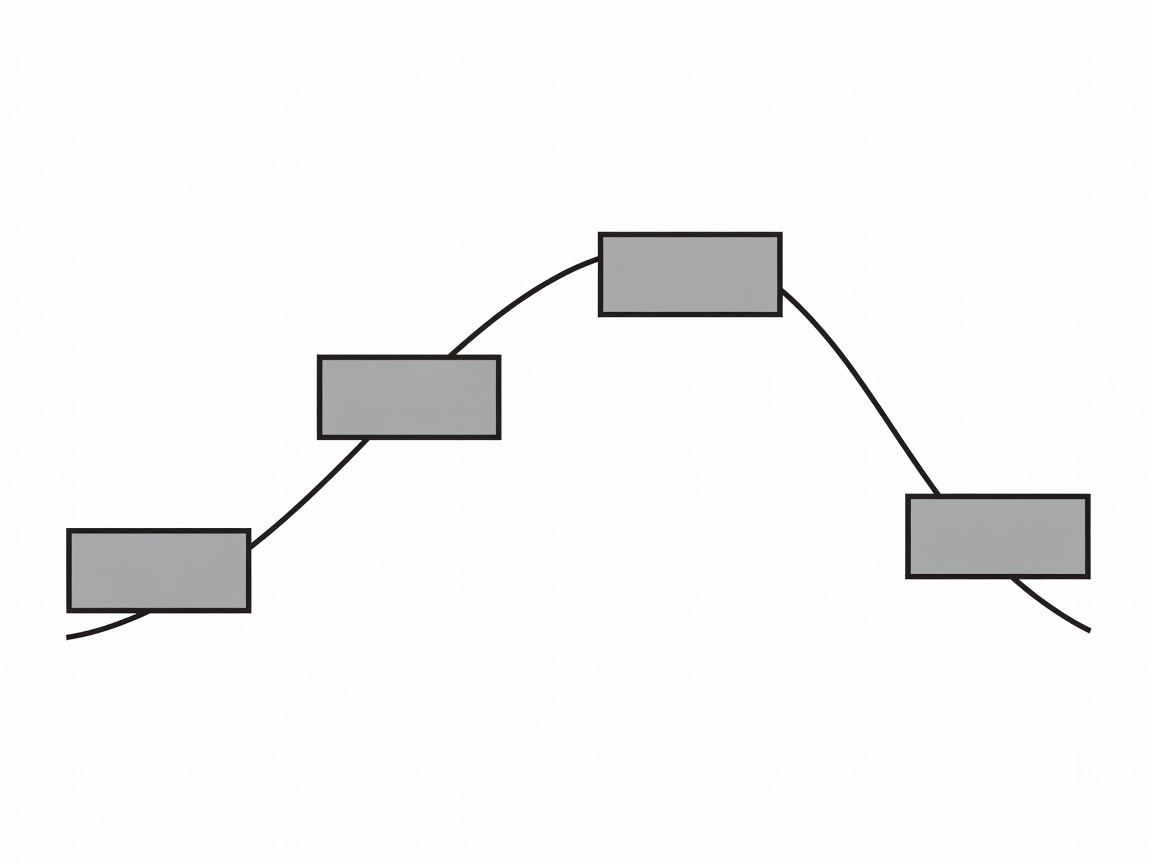
Phase 1: Arrival & Reception
The first 45 to 60 minutes of the event demand extreme control over volume and tempo. As guests arrive, remove coats, and secure their first beverage, their primary objective is orienting themselves in the space and locating acquaintances. Music during this phase must act strictly as an acoustic baseline. If tracks feature dominant vocal performances, they will compete directly with human speech, forcing guests to yell over the mix.
Select tempos hovering around 70 to 90 BPM. Instrumental jazz, acoustic guitar renditions of seasonal standards, and soft classical strings fulfill this requirement efficiently. Volume should be calibrated prior to the first guest’s entry—set the amplifier to a level where you can hear the melody clearly from the center of the room, but you do not need to raise your voice to speak to someone standing two feet away.
Phase 2: The Dinner Service
When guests are seated, the dynamic of the room changes entirely. The clatter of silverware and the concentrated hum of localized conversation create a significant ambient noise floor. The dinner playlist needs to possess slightly more structure than the arrival phase, but must still avoid aggressive percussion or sudden dynamic shifts.
Standard crooner tracks and mid-tempo soul numbers are traditionally deployed here. Ensure the playback system’s equalization (EQ) slightly suppresses heavy bass frequencies during dinner; low-frequency sound travels through tables and seating, which can cause physical discomfort for guests seated near subwoofers. This phase typically spans 90 minutes. Do not attempt to raise the tempo until coffee and final plates are cleared.
Phase 3: Dance Escalation
The transition from seating to dancing is the most critical operational pivot of the evening. It cannot happen gradually. If you slowly increase the tempo over forty minutes, the crowd will scatter. Instead, execute a distinct change in lighting and deploy an undeniable, high-energy anchor track.
Once the floor is engaged, the tempo must remain elevated (110 to 130 BPM) in blocks of 20 to 30 minutes. Alternate between modern uptempo selections and high-energy classic hits. Monitor the perimeter of the floor: if a substantial number of guests retreat to the bar simultaneously, deploy a slightly slower, universally recognized track to rebuild the population before accelerating again. Maintain strict volume supervision—loudness should peak during this window but never cross into distortion.
Phase 4: Farewell & Egress
The operational objective of the final 20 minutes is safe, efficient departure. You must signal to the attendees that the event has concluded without relying solely on harsh overhead lighting or abrupt silence.
Select two final, communal anthems—tracks that encourage group participation but signal closure. Immediately following the final chord, drop the volume by 40% and switch to mid-tempo, unobtrusive background music (similar to Phase 1, but slightly more resolute). This audio cue subconsciously prompts attendees to gather their belongings and exit, ensuring you meet the venue's contractual curfew and avoid overage charges.